Implementing Resource Movement Networks
Understanding Bulk Trucking: Vital Services for Streamlined Cargo Delivery
Bulk transport is a key factor in the logistics of transporting large volumes of goods. It covers multiple industries, guaranteeing that supplies are moved promptly and cost-effectively. By utilizing specialized vehicles, this service minimizes the risks associated with handling and improves transport velocity. Yet, the domain of bulk trucking is undergoing transformation. Grasping its complexities can offer perspective on its rising relevance in contemporary distribution systems. What components result to its effectiveness?
Defining Bulk Trucking?
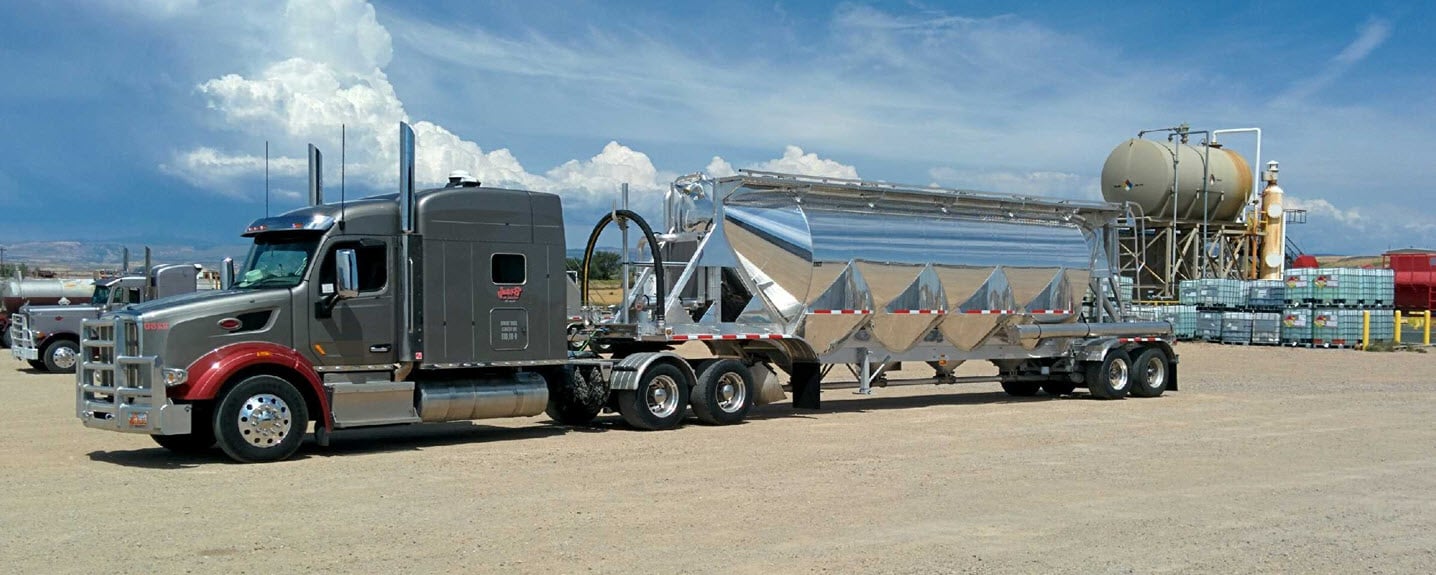
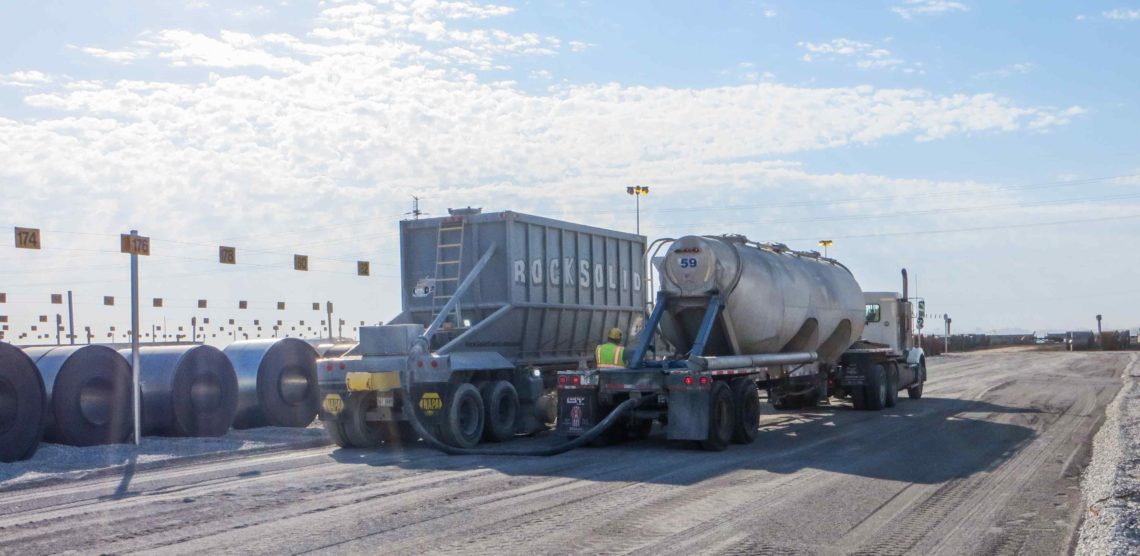
Bulk hauling means the movement of substantial volumes of goods, most often as liquids or dry materials, using specialized vehicles. This method is vital for sectors that need the transfer of significant cargo, such as agriculture, chemicals, and construction. Bulk haulers, such as tankers for fluids and dry material hopper trucks, are designed to efficiently manage and haul these bulk materials.
The logistics of bulk trucking involve careful planning and coordination, ensuring that the right vehicle is used for specific materials to minimize impurity and breakage. Furthermore, rules overseeing bulk movement require adherence to safety standards, specifically regarding risky substances.
Bulk transport is a key factor in the supply chain, enabling the prompt transfer of vital products as it minimizes spending linked to hauling. By employing this technique, businesses can optimize their processes, securing an uninterrupted movement of materials necessary for production and other processes.
The Primary Upsides of Bulk Hauling
Despite the existence of numerous hauling techniques, bulk trucking delivers specific upsides that can greatly enhance operational efficiency for various industries. One significant benefit is cost-effectiveness; bulk trucking typically lowers the cost per unit shipped thanks to the power to haul big loads concurrently. This efficiency means decreased aggregate transport spending, establishing it as a compelling alternative for businesses.
Furthermore, bulk transport offers adaptability in scheduling and routing, allowing companies to adapt quickly to evolving needs. The potential to carry a wide range of freight, including raw materials and consumer goods, significantly increases its attractiveness.
Moreover, bulk trucking can improve delivery speed, as efficient operations and direct routes minimize transit times. Enhanced load management also results in less handling, lowering the risk of harm during transport. Overall, these key benefits make bulk trucking an essential logistics solution for industries seeking reliability and efficiency in their supply chains.
Bulk Cargo Types
Multiple sectors depend on bulk trucking to carry many different types of cargo. A primary category includes agricultural products, like grains, fertilizers, and animal feed. These items are generally shipped in high volumes, necessitating specialized bulk trucks designed for effective loading and unloading.
Additionally, construction materials such as sand, gravel, and cement are frequently moved using bulk trucking services. This cargo is vital for various construction projects and demand on-time delivery to ensure projects stay on track.
Chemical products, like both liquid and dry chemicals, also details represent a major segment of bulk cargo. These chemicals necessitate careful handling and compliance with safety regulations during transport.
Furthermore, food products, such as sugar and flour, are transported in bulk to meet the demands of manufacturing and distribution. Overall, the wide variety of bulk cargo demonstrates the flexibility and value of bulk trucking in aiding diverse economic sectors.
Technology in Bulk Trucking
How has technology transformed the field of bulk trucking? The integration of advanced technologies has significantly improved efficiency and safety within the bulk trucking industry. GPS tracking allows for real-time monitoring of cargo and vehicle locations, leading to timely deliveries and improved route planning. Moreover, telematics has proven to be a crucial tool, supplying important data about vehicle performance, fuel consumption, and driver behavior, ultimately leading to cost savings and reduced environmental impact
(Illinois top rated Bulk Trucking)Moreover, automated systems for inventory management make loading and unloading processes more efficient, minimizing delays and maximizing productivity. Communication technologies also play a significant role, connecting drivers, fleet managers, and customers seamlessly. This connectivity promotes openness and enhances customer service by providing accurate updates regarding the status of the shipment. With the ongoing evolution of the sector, these tech innovations are set to redefine bulk transport, fostering new ideas and enhancing the quality of service within a cutthroat environment
How to Pick the Best Bulk Transport Company
Picking the ideal bulk hauling company is crucial for firms looking to improve their logistical processes. Businesses must start by evaluating their specific cargo requirements, comprising the nature of the materials moved and the quantity. Reviewing the trucking provider's experience in handling similar shipments can provide insight into their capabilities.
In addition, companies must examine the provider's area of operation, to verify the transport firm is able to effectively serve the required locations. A further critical element is the copyright's history of safety and adherence to sector rules, which significantly influences overall service reliability.
Pricing is also an important factor; however, companies must balance costs compared to the quality of the work to avoid compromising on important factors. In conclusion, customer service and how they communicate are essential in preserving openness from start to finish of the transport. By thoroughly examining these factors, companies can select a bulk trucking service which fits their functional demands and objectives.
Popular Questions and Answers
What Are the Typical Costs When Using Bulk Hauling Providers?
Typical costs associated with bulk trucking services involve gasoline charges, labor costs, repair costs, policy costs, and road fees. In addition, fees might change according to the length of the journey, cargo type, and sector needs, impacting overall pricing structures.
What is the Best Way to Ready My Freight for Bulk Trucking?
In order to prepare freight for bulk hauling, ensure adequate wrapping, confirm the load is stable, check the maximum allowed weight, and label contents clearly. Additionally, inspect for any damage and comply with safety standards to facilitate efficient transportation and delivery.
What Are the Necessary Safety Standards in Bulk Transport?
Safety regulations for bulk trucking include maintaining legal weight boundaries, adequate load securement, adherence to dangerous goods regulations, routine truck maintenance checks, and driver training requirements to guarantee safe transportation and lower the risk of mishaps. - Illinois top rated Bulk Trucking
- Illinois top rated Bulk Trucking
What Measures Do Bulk Carriers Take for Delays?
Bulk trucking companies address interruptions by notifying customers in advance, revising delivery schedules, and changing routes when necessary. They also utilize technology to track deliveries, ensuring timely updates and minimizing disruptions to the supply chain.
Can Bulk Trucking Accommodate International Shipping?
Bulk trucking is capable of handling international shipments by working alongside specialized freight forwarders and employing appropriate gear. These companies ensure adherence to global standards, facilitating seamless cross-border transport for various bulk commodities while upholding security and effectiveness.