Maximizing Safety Standards Service Quality
Bulk Trucking Explained: Crucial Services for Efficient Cargo Movement
Bulk trucking serves as a vital element in the process of hauling substantial amounts of cargo. It spans numerous sectors, ensuring that materials are moved promptly and economically. By using dedicated trucks, this service minimizes the risks involved in handling and improves transport velocity. However, the landscape of bulk trucking is changing rapidly. Grasping its complexities can shed light on its growing significance in contemporary distribution systems. Which elements lead to its effectiveness?
Bulk Trucking Explained?
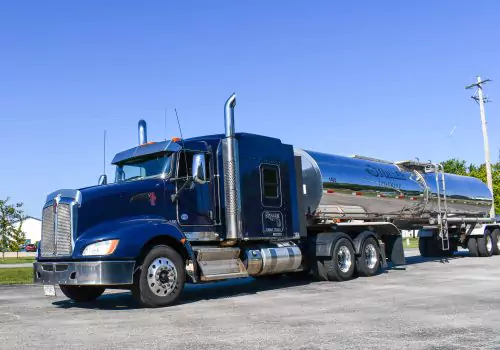
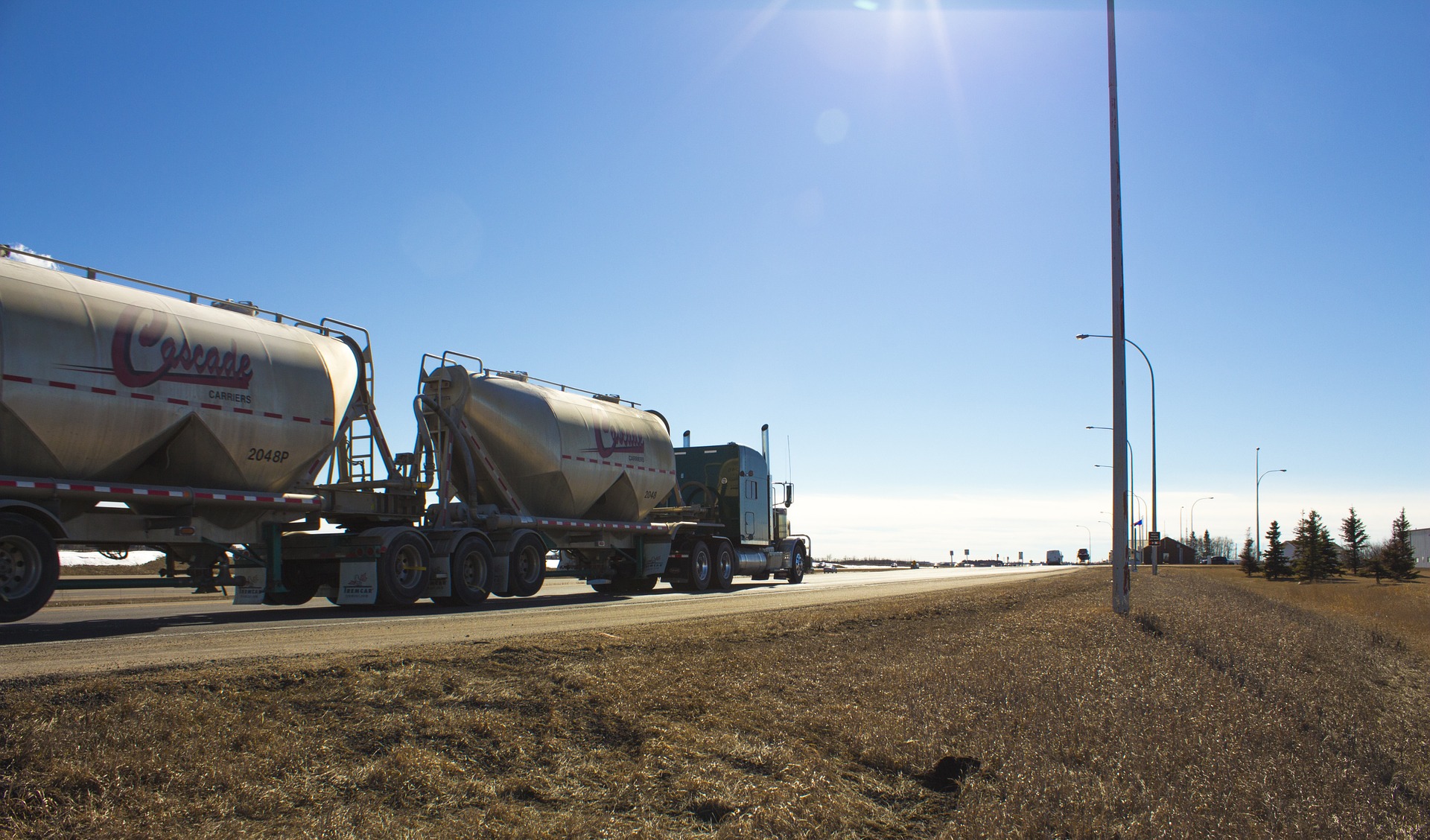
Bulk trucking refers to the transportation of large quantities of goods, most often as liquids or dry materials, employing dedicated trucks. This method is crucial for industries needing the transportation of heavy freight, such as agriculture, chemicals, and construction. Specialized bulk vehicles, like liquid tankers and hopper trucks for dry materials, are designed to efficiently manage and move these bulk goods.
The logistics of bulk trucking require meticulous organization and coordination, ensuring that the right vehicle is utilized for distinct cargo to avoid spoilage and harm. In addition, regulations governing bulk transport mandate compliance with safety criteria, especially concerning dangerous goods.
Bulk transport is a key factor in the supply chain, facilitating the timely delivery of necessary supplies while optimizing costs related to transport. By employing this technique, businesses can optimize their processes, ensuring a steady flow of materials needed for output and related activities.
Major Advantages of Bulk Transport
While many transportation methods exist, bulk trucking provides unique benefits that can greatly enhance operational efficiency for multiple businesses. A major advantage is its economy; bulk trucking frequently decreases individual shipping expenses because of the capacity to move large volumes simultaneously. This efficiency means decreased aggregate transport spending, establishing it as a compelling alternative for businesses.
Furthermore, bulk transport offers adaptability in scheduling and routing, letting businesses respond swiftly to evolving needs. The potential to carry a wide range of freight, from raw materials to consumer goods, expands its utility.
Moreover, bulk trucking can accelerate transit times, as streamlined operations and direct routes minimize transit times. Enhanced load management also results in less handling, lowering the risk of harm in transit. Taken together, these key benefits position bulk trucking as an indispensable logistics solution for industries demanding reliability and efficiency in their supply chains.
Bulk Cargo Types
Various industries rely on bulk trucking to transport a wide range of cargo types. A primary category includes farm produce, including grains, fertilizers, and animal feed. These items are generally shipped in massive amounts, requiring specialized bulk trucks designed for efficient loading and unloading.
In addition, construction materials like sand, gravel, and cement are often practical advice transported using bulk trucking services. This cargo is vital for various construction projects and demand on-time delivery to maintain project schedules.
Chemical products, like both liquid and dry chemicals, also make up a large part of bulk cargo. This cargo requires careful handling and compliance with safety regulations while being moved.
In addition, food products, like sugar and flour, are transported in bulk to satisfy manufacturing and distribution needs. In conclusion, the range of bulk cargo highlights the versatility and significance of bulk trucking in aiding diverse economic sectors.
How Technology Affects Bulk Trucking
How has technology revolutionized the field of bulk trucking? Incorporating advanced technologies has greatly enhanced operational efficiency and safety within the bulk trucking industry. GPS tracking systems enable live tracking of cargo and vehicles, which helps ensure timely deliveries and improved route planning. Additionally, telematics has become a vital tool, offering key data regarding vehicle performance, fuel consumption, and driver behavior, which ultimately results in cost savings and reduced environmental impact
(Illinois top rated Bulk Trucking)Furthermore, automated systems for inventory management optimize loading and unloading processes, reducing delays and increasing productivity. Communication technologies are also crucial, connecting drivers, fleet managers, and customers smoothly. This integration encourages clarity and improves client support through offering precise information regarding the status of the shipment. As the industry continues to evolve, such technological progress will continue to transform bulk hauling, fostering new ideas and improving service quality in a competitive market
How to Pick the Best Bulk Transport Company
Choosing the right bulk transport provider is vital for businesses seeking to streamline their supply chain. Businesses must start by evaluating their specific cargo requirements, including the type of materials being transported and the volume. Checking the copyright's history in dealing with like deliveries offers valuable perspective on their competence.
Furthermore, businesses should consider the service's operational reach, to verify the transport firm can efficiently reach the intended destinations. A further critical element involves the company's safety performance and adherence to sector rules, which can greatly impact the total trustworthiness of the operation.
Pricing is also an important factor; however, firms need to measure the price against service quality to avoid compromising on critical aspects. Finally, customer support and how they communicate are critically important in preserving openness from start to finish of the transport. By carefully analyzing these aspects, companies can select a bulk trucking service that aligns with their operational needs and objectives.
Frequently Asked Questions
What Expenses Are Usually Involved When Using Bulk Hauling Providers?
The usual costs involved in bulk hauling include fuel expenses, pay for drivers, maintenance fees, insurance, and highway charges. Furthermore, pricing can fluctuate according to the length of the journey, the kind of freight, and the current demand in the market, affecting the total cost models.
How Do I Prepare My Cargo for Bulk Transport?
To prepare cargo for bulk trucking, verify suitable containment, confirm the load is stable, check the maximum allowed weight, and mark the items distinctly. Furthermore, check for any wear and tear and adhere to safety rules to allow for smooth transit and arrival.
What Safety Regulations Apply for Bulk Haulage?
Safety regulations for bulk trucking mandate maintaining legal weight boundaries, adequate load securement, following hazmat protocols, periodic equipment reviews, and driver training requirements to facilitate safe transit and lower the risk of mishaps. - Illinois top rated Bulk Trucking
- Illinois top rated Bulk Trucking
How Do Bulk Trucking Companies Handle Delays?
Bulk trucking companies handle setbacks by notifying customers in advance, revising delivery schedules, and rerouting loads as needed. They also employ technological tools to keep tabs on loads, ensuring timely updates and reducing supply chain interruptions.
Do Bulk Carriers Offer International Transportation Services?
Yes, bulk trucking can accommodate international shipping by collaborating with logistics partners and using purpose-built vehicles. These companies guarantee compliance with international regulations, facilitating seamless cross-border transport for various bulk commodities while maintaining efficiency and safety.